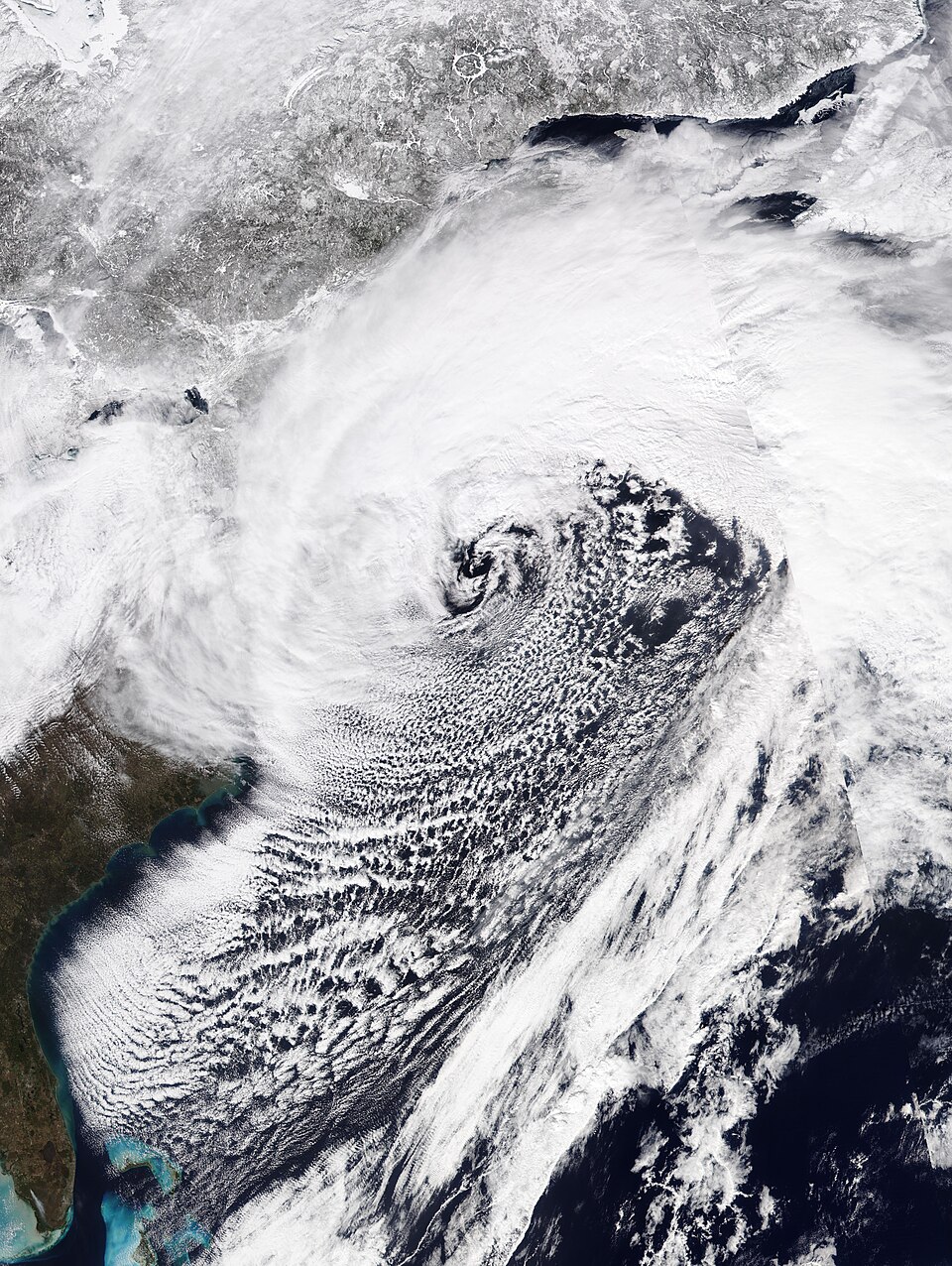
NYC's 2026 Blizzard: A Decade's Worst Snowstorm Documented
New York City has seen its share of monumental snowfalls, but none in recent memory quite captured the public's imagination and tested its resilience like the blizzard of 2026. This wasn't just another winter storm; it was the most significant snowfall to blanket the five boroughs in a decade, delivering nearly two feet of snow and transforming the bustling metropolis into a serene, yet challenging, winter wonderland. What made this particular event even more compelling was the real-time, ground-level perspective provided by figures like the venerable vlogger Casey Neistat, who embarked on a 24-hour odyssey of
documenting blizzard 2026 as it unfolded. His unique lens offered an unparalleled look into the city's spirit amidst the whiteout, showcasing both the marvel and the madness of urban life under a historic snow blanket.
The Whiteout Begins: A City Transformed
The anticipation for the blizzard of 2026 had been building for days, with meteorologists predicting a significant snowfall. However, the true scale of what was coming began to materialize precisely at 11:30 a.m. on February 22nd, 2026. That was the moment the rain, which had preceded the storm, ceased, and the first delicate snowflakes began their descent, signalling the true start of what would become a historic weather event. Within hours, the city's familiar skyline blurred, streets disappeared under rapidly accumulating powder, and the vibrant hum of urban life gave way to a hushed, almost surreal stillness.
Authorities had warned New Yorkers to prepare for at least a foot of snow, but the reality far exceeded expectations. This wasn't the modest dusting seen just a month prior; this was a force of nature that quickly brought the city to a standstill. Schools closed, non-essential travel was discouraged, and the usual hustle and bustle of Manhattan transformed into an eerie quiet. The visual spectacle of the city being swallowed by snow was breathtaking, prompting residents to prepare for an extended period indoors or, for the more adventurous, a rare opportunity to explore a completely altered urban landscape. Understanding the precise timing and rapid escalation of such events is crucial for effective public safety and city management.
Casey Neistat's Lens: Documenting Blizzard 2026 Hour by Hour
In an age where real-time content reigns supreme, the blizzard of 2026 found its definitive chronicler in Casey Neistat. Known for his dynamic, fast-paced vlogging style and an unyielding adventurous spirit, Neistat was uniquely positioned to capture the essence of this monumental snowstorm. As the snowflakes began to fall, he committed to a 24-hour continuous stream of content, offering a raw, unfiltered, and deeply personal account of
documenting blizzard 2026 from the streets of New York.
Neistat's vlog wasn't just about the snow; it was a narrative of the city's heartbeat during an extraordinary event. From his initial preparations with his family to venturing out into the increasingly formidable conditions, viewers were given a front-row seat to the unfolding drama. He captured everything from the quiet beauty of snow-laden streets to the challenges faced by pedestrians and emergency services. One memorable segment saw him with his daughters on the Upper West Side, reveling in the unexpected joy of sledding down one of Manhattan's rare, impromptu hills. "We’re currently at 18 inches and we’re supposed to get up to 20 or 22. Pretty wild," he noted, capturing the sheer scale of the event with his characteristic enthusiasm. His dedication to sharing this experience made his vlog an essential historical record, painting a vivid picture of how New Yorkers adapted and found moments of joy amidst the chaos. For a deeper dive into his groundbreaking coverage, you can explore
Casey Neistat's Epic Vlog: Documenting NYC's Historic 2026 Blizzard.
Urban Adventures and Unexpected Twists
As the snow piled up, reaching almost two feet in many parts of the city, New Yorkers found innovative ways to experience their transformed environment. The blizzard wasn't just a disruption; it was an invitation for urban adventure, albeit with its own set of unique challenges. While emergency services worked tirelessly to keep essential pathways clear, residents embraced the opportunity for rare winter activities within the cityscape.
Sledding, of course, became a prime pastime. Iconic locations like Pilgrim Hill in Central Park or the slopes near Morningside Park would typically be crowded, but the sheer volume of snow in 2026 meant that even smaller inclines across Manhattan, including those on the Upper West Side, became makeshift sledding havens. Neistat showcased his own family partaking in these simple joys, highlighting the community spirit that often emerges during such events.
However, not all adventures remained innocent fun. Later in the day, Neistat found himself at Washington Square Park, witnessing a massive snowball fight erupt among hundreds of participants. Initially a spirited display of collective exuberance, the fun took a contentious turn when police officers, attempting to maintain order, became targets of snowballs. This escalation led to Neistat’s poignant observation: "You see, New York, this is why we can’t have nice things." The incident, occurring as the last snowflakes fell, served as a microcosm of the city itself – a place where collective joy can quickly brush against the boundaries of civility. The contrast between widespread merriment and sporadic conflict perfectly encapsulated the unique NYC blizzard experience. For more on the lighter and more intense moments of the storm, check out
From Sledding to Snowball Fights: NYC's Wild 2026 Blizzard Experience.
Practical tips for navigating such events safely:
- Stay Informed: Monitor official weather alerts and city announcements regarding travel bans or service disruptions.
- Prepare an Emergency Kit: Have non-perishable food, water, flashlights, extra batteries, and any necessary medications on hand.
- Dress Appropriately: If venturing out, wear layers, waterproof outerwear, and insulated boots to prevent hypothermia.
- Be Mindful of Others: Check on elderly neighbors or those who may need assistance.
- Respect Emergency Personnel: Give space to plows and emergency vehicles.
More Than Just Snow: The Lasting Impact and Lessons Learned
The blizzard of 2026, with its astonishing 18-22 inches of snowfall, rightfully earned its title as the worst to hit New York City in a decade. Its impact extended far beyond mere inconvenience; it tested infrastructure, brought transportation to a halt, and, in many ways, revealed the underlying character of the city and its inhabitants. From the coordinated efforts of sanitation workers to the spontaneous acts of kindness among neighbors, the storm underscored the resilience inherent in the city's fabric.
The act of
documenting blizzard 2026, particularly through personal and raw accounts like Casey Neistat's, provides invaluable insights. These real-time narratives offer a human perspective that traditional news reports often miss. They serve not only as historical records but also as learning tools for future preparedness. What worked well? Where did systems falter? How did communities come together, or, in some instances, fall apart? The Washington Square Park snowball fight, while a minor incident in the grand scheme, highlights the fine line between shared experience and urban friction during moments of collective excitement.
Lessons from the 2026 blizzard extend to the importance of:
- Community Preparedness: Encouraging residents to have emergency plans and supplies.
- Infrastructure Resilience: Evaluating and improving snow removal capabilities and public transit robustness.
- Effective Communication: Ensuring clear, timely, and accessible information from city officials to the public.
- Embracing the Moment: While safety is paramount, acknowledging the unique joy and wonder a massive snowfall can bring to an urban environment.
These storms are not merely meteorological events; they are cultural touchstones that shape the collective memory of a city.
Conclusion
The blizzard of 2026 etched itself into New York City's history, not just for its record-breaking snowfall but for the way it was experienced and shared. It was a storm that shut down a global hub, transformed its iconic landscapes, and sparked both moments of pure joy and instances of urban friction. Through the lens of adventurous individuals like Casey Neistat, the world gained an intimate understanding of what it means to live, adapt, and even thrive amidst such a powerful natural event. The act of
documenting blizzard 2026 created an enduring legacy, reminding us that even in the face of nature's might, the spirit of New York City, in all its complexity, shines through. It was, indeed, a great blizzard – a testament to the city's enduring allure, even when buried under two feet of snow.